Esta web utiliza cookies propias y de terceros que nos permiten optimizar tu experiencia en el sitio web, evaluar su rendimiento, generar estadísticas de uso y mejorar y añadir nuevas funcionalidades. Mediante el análisis de tus hábitos de navegación podemos mostrar contenidos más relevantes y medir las interacciones con la web.
Puede obtener más información aqui.
Uma cookie é um ficheiro que se descarrega no seu computador ao aceder a determinadas páginas web.As cookies permitem a uma página web, entre outras coisas, armazenar e recuperar informação sobre os hábitos de navegação de um usuário ou do seu equipamento, gerir o acesso de usuários a zonas restritas da web, etc.Que tipo de cookies utiliza esta página web:
Este tipo de cookies permiten al usuario la navegación a través de una página web, plataforma o aplicación y la utilización de las diferentes opciones o servicios que en ella existan como, por ejemplo, controlar el tráfico y la comunicación de datos, identificar la sesión, acceder a partes de acceso restringido, seleccionar el idioma, o compartir contenidos a través de redes sociales.
| Nombre | Descripcion | Duración | Habilitado |
|---|---|---|---|
| ID de tu sesión. Te identifica en este navegador y nos permite gestionar tus cookies o almacenar tu cesta de la compra. | 8760 horas | ||
| Indica qué cookies has aceptado. | 8760 horas | ||
| Una cookie PHPSESSID es una cookie de sesión que se utiliza para identificar la sesión de un usuario en un sitio web. | 8760 horas |
Son aquéllas que posibilitan el seguimiento y análisis del comportamiento de los usuarios en nuestra página. La información recogida se utiliza para la medición de la actividad de los usuarios en la web y la elaboración de perfiles de navegación de los usuarios, con la finalidad de mejorar la web, así como los productos y servicios ofertados.
| Nombre | Descripcion | Duración | Habilitado |
|---|---|---|---|
| Es un servicio de analítica web que utiliza cookies de análisis. | 8760 horas |
Estas cookies pueden ser establecidas a través de nuestro sitio por nuestros socios publicitarios. Pueden ser utilizadas por esas empresas para crear un perfil de sus intereses y mostrarle anuncios relevantes en otros sitios. No almacenan directamente información personal, sino que se basan en la identificación única de su navegador y dispositivo de Internet. Si no permite utilizar estas cookies, verá menos publicidad dirigida.
| Nombre | Descripcion | Duración | Habilitado |
|---|
O que são os cookies?
Um cookie é um arquivo descarregado no seu computador para aceder certos sites. Os cookies permitem que um site, entre outras coisas, possa armazenar e recuperar informações sobre os hábitos de navegação de um/a usuário/a ou do seu computador, gerenciar o acesso do/a usuário/a às áreas restritas do site etc.
Que tipo de cookies utiliza este site?
Cookies de análise
São aqueles que permitem a monitorização e análise do comportamento do/a usuário/a no nosso site. A informação recolhida é usada para medir a atividade dos/as usuários/as no site e para criar perfis de navegação do/a usuário/a, a fim de melhorar o site e os produtos e serviços oferecidos.
Cookies técnicos
Permitem ao/à usuário/a navegar através dum site, plataforma ou aplicação e o uso de diferentes opções ou serviços que existem, como por exemplo o controlo do tráfego e comunicação de dados, identificar a sessão, aceder a áreas de acesso restrito, ou compartilhar conteúdos através de redes sociais.
Cookies de personalização
São aqueles que permitem adaptar a navegação no site com as suas preferências, como o idioma, navegador utilizado etc.
| Nome | Própria / Terceiros | Duração | Descrição | Proprietário |
| gat | Terceiros | 1 minuto | É usado para limitar a porcentagem de solicitações. | Google Analytics |
| _ga | Terceiros | 2 anos | É usado para distinguir os usuários. | Google Analytics |
| _gid | Terceiros | 24 horas | É usado para distinguir os usuários. | Google Analytics |
| PHPSESSID | Própria | Sesion | Cookie de sessão, desaparece quando a web é fechada. | Arnoia |
| COOKIE_CONSENT | Própria | 1 mês | Cookie de personalização. | Arnoia |
| SESS_ID | Própria | 10 dias | Cookie de sessão. | Arnoia |
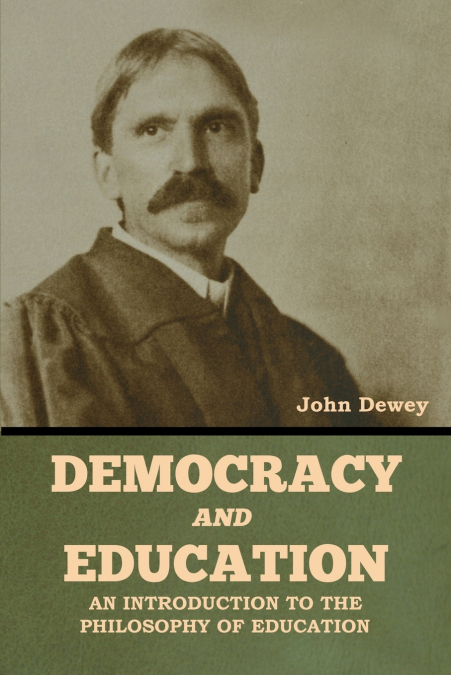

In Democracy and Education, Dewey argues that the primary ineluctable facts of the birth and death of each one of the constituent members in a social group determine the necessity of education. On one hand, there is the contrast between the immaturity of the new-born members of the group (its future sole representatives) and the maturity of the adult members who possess the knowledge and customs of the group. On the other hand, there is the necessity that these immature members be not merely physically preserved in adequate numbers, but that they be initiated into the interests, purposes, information, skill, and practices of the mature members: otherwise the group will cease its characteristic life.ááDewey observes that even in a 'savage' tribe, the achievements of adults are far beyond what the immature members would be capable of if left to themselves. With the growth of civilization, the gap between the original capacities of the immature and the standards and customs of the elders increases. Mere physical growing up and mastery of the bare necessities of subsistence will not suffice to reproduce the life of the group. Deliberate effort and the taking of thoughtful pains are required. Beings who are born not only unaware of, but quite indifferent to, the aims and habits of the social group have to be rendered cognizant of them and actively interested. According to Dewey, education, and education alone, spans the gap.áááDeweyâÇÖs ideas were never broadly and deeply integrated into the practices of American public schools, though some of his values and terms were widespread. Progressive education (both as espoused by Dewey, and in the more popular and inept forms of which Dewey was critical) was essentially scrapped during the Cold War, when the dominant concern in education was creating and sustaining a scientific and technological elite for military purposes. In the post-Cold War period, however, progressive education had reemerged in many school reform and education theory circles as a thriving field of inquiry learning and inquiry-based science.áSome find it cumbersome that DeweyâÇÖs philosophical anthropology, unlike Egan, Vico, Ernst Cassirer, Claude Lévi-Strauss, and Nietzsche, does not account for the origin of thought of the modern mind in the aesthetic, more precisely the myth, but instead in the original occupations and industries of ancient people, and eventually in the history of science. A criticism of this approach is that it does not account for the origin of cultural institutions, which can be accounted for by the aesthetic. Language and its development, in DeweyâÇÖs philosophical anthropology, have not a central role but are instead a consequence of the cognitive capacity.áWhile DeweyâÇÖs educational theories have enjoyed a broad popularity during his lifetime and after, they have a troubled history of implementation. DeweyâÇÖs writings can also be difficult to read, and his tendency to reuse commonplace words and phrases to express extremely complex reinterpretations of them makes him susceptible to misunderstanding. So while he held the role of a leading public intellectual, he was often misinterpreted, even by fellow academics. Many enthusiastically embraced what they mistook for DeweyâÇÖs philosophy, but which in fact bore little or a distorted resemblance to it. ... (Wikipedia.org)