Esta web utiliza cookies propias y de terceros que nos permiten optimizar tu experiencia en el sitio web, evaluar su rendimiento, generar estadísticas de uso y mejorar y añadir nuevas funcionalidades. Mediante el análisis de tus hábitos de navegación podemos mostrar contenidos más relevantes y medir las interacciones con la web.
Puede obtener más información aqui.
Uma cookie é um ficheiro que se descarrega no seu computador ao aceder a determinadas páginas web.As cookies permitem a uma página web, entre outras coisas, armazenar e recuperar informação sobre os hábitos de navegação de um usuário ou do seu equipamento, gerir o acesso de usuários a zonas restritas da web, etc.Que tipo de cookies utiliza esta página web:
Este tipo de cookies permiten al usuario la navegación a través de una página web, plataforma o aplicación y la utilización de las diferentes opciones o servicios que en ella existan como, por ejemplo, controlar el tráfico y la comunicación de datos, identificar la sesión, acceder a partes de acceso restringido, seleccionar el idioma, o compartir contenidos a través de redes sociales.
| Nombre | Descripcion | Duración | Habilitado |
|---|---|---|---|
| ID de tu sesión. Te identifica en este navegador y nos permite gestionar tus cookies o almacenar tu cesta de la compra. | 8760 horas | ||
| Indica qué cookies has aceptado. | 8760 horas | ||
| Una cookie PHPSESSID es una cookie de sesión que se utiliza para identificar la sesión de un usuario en un sitio web. | 8760 horas |
Son aquéllas que posibilitan el seguimiento y análisis del comportamiento de los usuarios en nuestra página. La información recogida se utiliza para la medición de la actividad de los usuarios en la web y la elaboración de perfiles de navegación de los usuarios, con la finalidad de mejorar la web, así como los productos y servicios ofertados.
| Nombre | Descripcion | Duración | Habilitado |
|---|---|---|---|
| Es un servicio de analítica web que utiliza cookies de análisis. | 8760 horas |
Estas cookies pueden ser establecidas a través de nuestro sitio por nuestros socios publicitarios. Pueden ser utilizadas por esas empresas para crear un perfil de sus intereses y mostrarle anuncios relevantes en otros sitios. No almacenan directamente información personal, sino que se basan en la identificación única de su navegador y dispositivo de Internet. Si no permite utilizar estas cookies, verá menos publicidad dirigida.
| Nombre | Descripcion | Duración | Habilitado |
|---|
O que são os cookies?
Um cookie é um arquivo descarregado no seu computador para aceder certos sites. Os cookies permitem que um site, entre outras coisas, possa armazenar e recuperar informações sobre os hábitos de navegação de um/a usuário/a ou do seu computador, gerenciar o acesso do/a usuário/a às áreas restritas do site etc.
Que tipo de cookies utiliza este site?
Cookies de análise
São aqueles que permitem a monitorização e análise do comportamento do/a usuário/a no nosso site. A informação recolhida é usada para medir a atividade dos/as usuários/as no site e para criar perfis de navegação do/a usuário/a, a fim de melhorar o site e os produtos e serviços oferecidos.
Cookies técnicos
Permitem ao/à usuário/a navegar através dum site, plataforma ou aplicação e o uso de diferentes opções ou serviços que existem, como por exemplo o controlo do tráfego e comunicação de dados, identificar a sessão, aceder a áreas de acesso restrito, ou compartilhar conteúdos através de redes sociais.
Cookies de personalização
São aqueles que permitem adaptar a navegação no site com as suas preferências, como o idioma, navegador utilizado etc.
| Nome | Própria / Terceiros | Duração | Descrição | Proprietário |
| gat | Terceiros | 1 minuto | É usado para limitar a porcentagem de solicitações. | Google Analytics |
| _ga | Terceiros | 2 anos | É usado para distinguir os usuários. | Google Analytics |
| _gid | Terceiros | 24 horas | É usado para distinguir os usuários. | Google Analytics |
| PHPSESSID | Própria | Sesion | Cookie de sessão, desaparece quando a web é fechada. | Arnoia |
| COOKIE_CONSENT | Própria | 1 mês | Cookie de personalização. | Arnoia |
| SESS_ID | Própria | 10 dias | Cookie de sessão. | Arnoia |

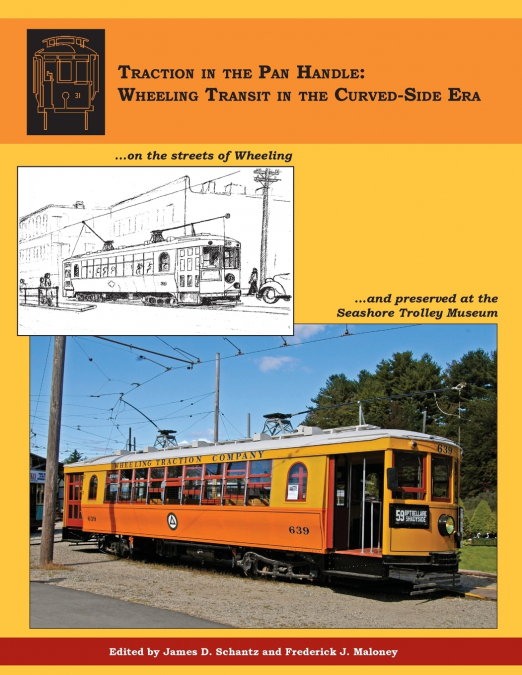
Review by Ed RamsdellCincinnati Car CompanyâÇÖs chief engineer Thomas Elliot designed the curved-side car, a lightweight model that used curved steel plates (not conventional flat steel plates) in body construction. Instead of the floor, the side plates and side sills bore the bulk of the weight load making the cars lighter than conventional cars and, as a secondary benefit, considerably more attractive to the eye than the standard rather boxy lightweights of the time. The first cars of this type were sold in 1922 with some 400 ultimately built through 1930 with Wheeling Transit having 21 of these.áThis interesting book is a twofer or mayhap a threefer for the general transit fan and especially those with a fondness for the beautiful Curved-side car developed by the Cincinnati Car Company and the history of Wheeling Transit in that era.á·ááááááThe bookâÇÖs first quarter examines the history of Cincinnati Curved-side streetcars in Wheeling, West Virginia, from the 1920s until the late 1940s, but includes good coverage from horse cars through the end of the electrics with even a bit about Wheeling Transit buses. áIncluded is a roster of passenger cars and renumbering and retirement details.·ááááááThe middle section is comprised of a wealth of photographs of the system and individual cars with well detailed annotation.áMost of these photographs were taken between 1945 and 1948 by the late William J. B. Gwinn.áBill Gwinn started as a motorman with Ohio Valley Electric in 1917 converting from motorman for Co-operative Transit Company to bus driver in 1947 and ultimately retiring in 1962 from Co-operative Bus Lines.áThis section is so complete and thoroughly documented as to really qualify as a standalone section rather than simply an adjunct of the first part describing Wheeling Transit.·ááááááThe last quarter of the book is the story of Co-operative TransitâÇÖs Curved-side No. #639 acquisition in 1957 by the Seashore Trolley Museum through the completion of its restoration and dedication in 2009.áIncluded is detailed tracking of the carâÇÖs restoration progress with many color photographs.áThere are also informative insights as to how this project to some extent paralleled and drove the Seashore restoration shopâÇÖs development. Traction In The Pan Handle is the summation of the dedicated efforts of numerous individuals spanning some 40 - 50 years.áThat length dictated by the time necessary for the acquisition of materials, infrastructure, labor, and money required for the complex effort of restoring No. #639 and the parallel writing and editing of this book.áJames D. Schantz, Presidentá& CEO (and Chairman Emeritus) of Seashore and No. #639âÇÖs sponsor and Frederick J. Maloney, a Senior Trustee of Seashore and long-time member and contributor were both present during this bookâÇÖs long gestation.áThey ultimately took on the major task of weaving the substories from 1957 through 2009 into one coherent and informative story.áThe outcome of their ef